In this week’s episode of Trading Talk, we combine two recent developments from previous sessions — the Z-Lock volatility function and the adaptive trade management system — to demonstrate how they can work together as a simple strategy framework.
The Z-Lock function was originally introduced as a way to identify statistically significant market movement using volatility measurements. Rather than relying on fixed thresholds, the model measures how unusual a move is relative to recent market behaviour.
In Episode 410, we take that concept one step further by integrating the volatility signal into a structured trading approach.
The volatility signal acts as the entry trigger, while the trade management logic adjusts exits based on the current market range. This creates a strategy framework that adapts to changing market conditions rather than relying on static parameters.
Because both components rely on real market data rather than fixed values, the approach can be applied across multiple markets and timeframes with minimal adjustment.
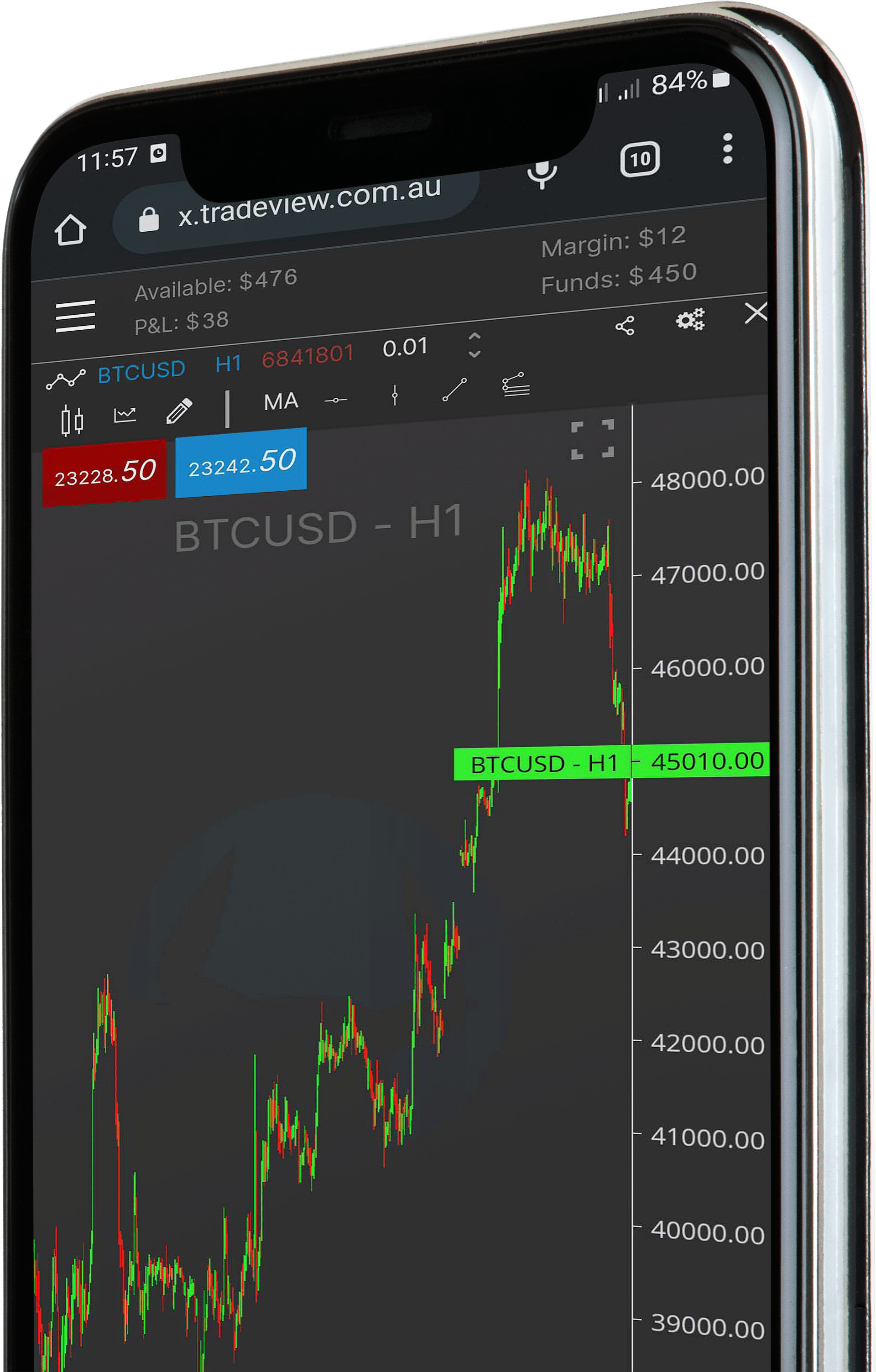
To demonstrate the concept clearly, we use Bitcoin as an example market. Bitcoin often provides strong volatility expansion phases, making it useful for illustrating how the entry and exit components interact within the strategy.
The goal of this episode is not to present a finished trading model, but to show how individual algorithmic components can be combined to form a structured strategy.
This modular development approach is a core principle of systematic trading. Each component — entry logic, volatility measurement, and trade management — can be developed independently and then integrated into a broader system.
Key Points
- Combining the Z-Lock volatility function with adaptive trade management
- Using volatility expansion as a systematic entry signal
- Trade exits that adapt to the market’s current range
- Strategy framework applicable across different markets and timeframes
- Demonstration using Bitcoin as an example market
Related Tools & Resources
- Explore Trade View X Platform
- Learn How to Build Your Own Algorithms
- Algo Masterclass: Advanced Strategy Development